
By Commercial Service Company · July 16, 2026
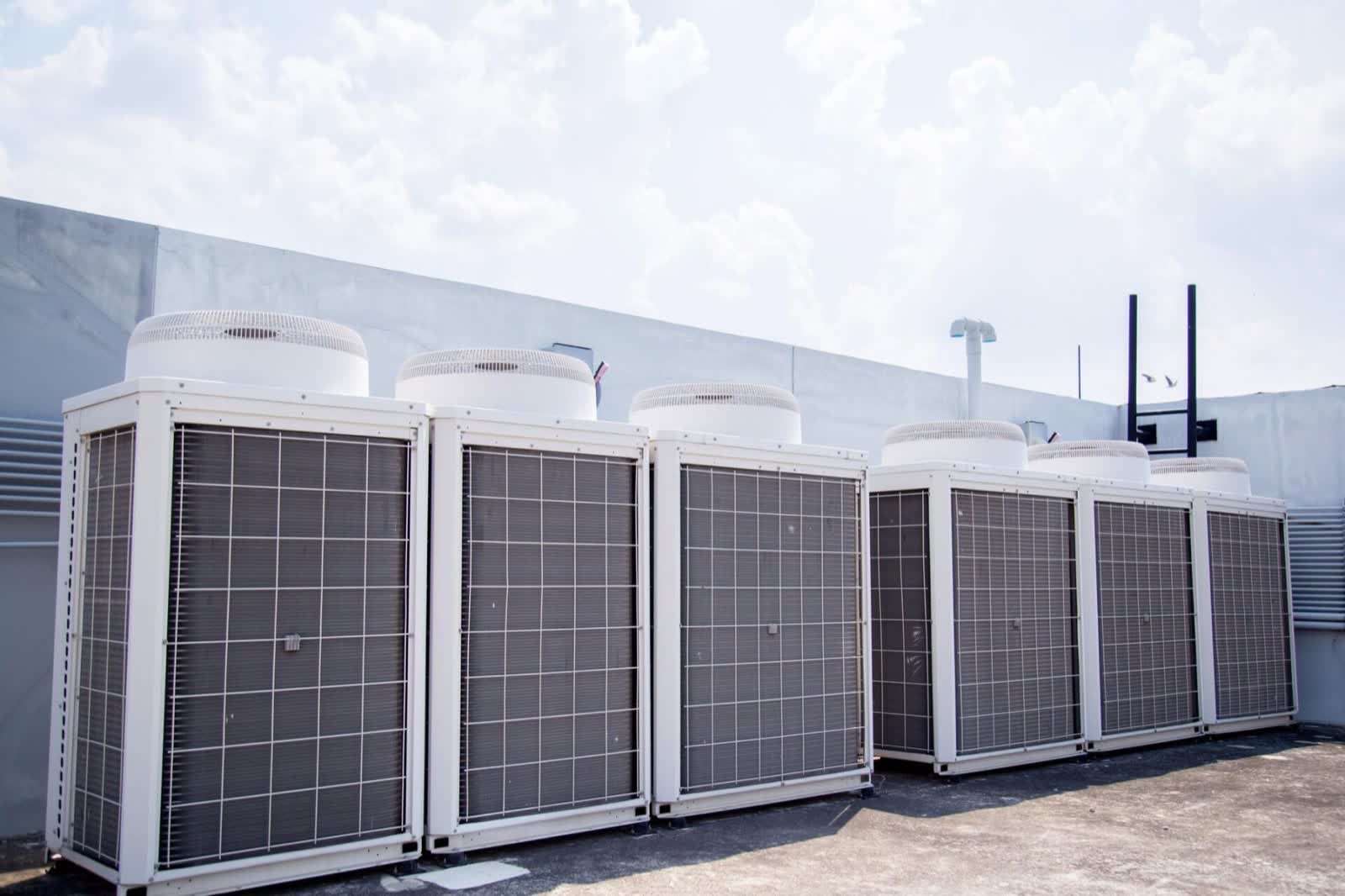
Central Arkansas summers put weeks of 90-plus-degree afternoons on your cooling equipment, and a rooftop unit (RTU) that limped through last September will not survive this July quietly. The failures we're called to in the first hot week are almost never surprises — they're deferred maintenance coming due at the worst time. Here's what a proper pre-summer inspection covers, and why each item matters.
Filters and airflow
Clogged filters are the cheapest problem on this list and cause the most expensive symptoms: longer run times, frozen coils, tripped safeties, dead compressors. If nobody in your building can say when the filters were last changed, start here.
Coils — both of them
The evaporator coil (inside air) and condenser coil (outside air) both have to be clean to move heat. A condenser matted with cottonwood fluff and dust — very common on central Arkansas rooftops by early summer — makes the unit fight itself on exactly the days demand peaks.
Belts, bearings, and motors
A belt that's cracked in May is a belt that snaps in July. Blower bearings and motor amp draws tell a tech which components are wearing before they fail outright.
Refrigerant charge and leak check
Low charge means a leak, and a leaking unit cools poorly at exactly peak load, ices up, and works its compressor toward failure. Charge checks and leak repair are EPA-certified technician work.
Electrical and controls
Contactors pit, capacitors weaken in heat, and thermostats and control boards drift. Weak capacitors in particular love to die during the first extended heat wave — a five-minute check in spring.
Condensate drains
Arkansas humidity means your units pull serious water out of the air. A clogged condensate drain shows up as a ceiling stain, a safety-switch shutdown on a busy afternoon, or both.
Why a maintenance plan beats a spring scramble
Everything above is a standard visit under a preventative-maintenance agreement — done on schedule, documented, with worn parts flagged before they strand you. Maintained units also simply cost less to run; clean coils and correct charge draw fewer kilowatt-hours all season. One emergency call avoided in July typically justifies the year of scheduled care — and maintenance customers get priority dispatch when the heat wave comes anyway.
Commercial Service Company has kept central Arkansas businesses cool since 1976 — restaurants, retail, offices, and everything on a rooftop from Little Rock to Searcy. Book the pre-summer inspection at 501-548-2374.
Frequently asked questions
How often should commercial HVAC be serviced?
At minimum, professional inspections in spring before cooling season and fall before heating season, with filter changes between visits as the site's dust and hours demand. Heavy-duty sites benefit from quarterly visits.
Why does my rooftop unit freeze up on hot days?
Icing usually means restricted airflow (dirty filters or coils) or low refrigerant. Both make the evaporator run too cold, and both worsen as heat and run-time increase — spring maintenance catches each.
Do maintained units really use less power?
Yes. Dirty coils, low charge, and slipping belts all force longer run times at lower efficiency, and the effect compounds across a cooling season. Keeping the unit clean and correctly charged is the single simplest energy measure a business can take.