
By Commercial Service Company · July 16, 2026
Every business runs one of two maintenance strategies: scheduled care, or run-to-failure. The second one is more popular because its price tag is invisible — right up until a walk-in dies on a July Friday. Here's the honest comparison, including the parts that favor us less.
What run-to-failure actually invoices you
- The emergency repair itself — often at after-hours rates, because equipment fails during use, and use happens during service.
- Product loss. A failed walk-in doesn't bill you, but the product inside it does. One full walk-in of protein and dairy can exceed the repair bill by itself.
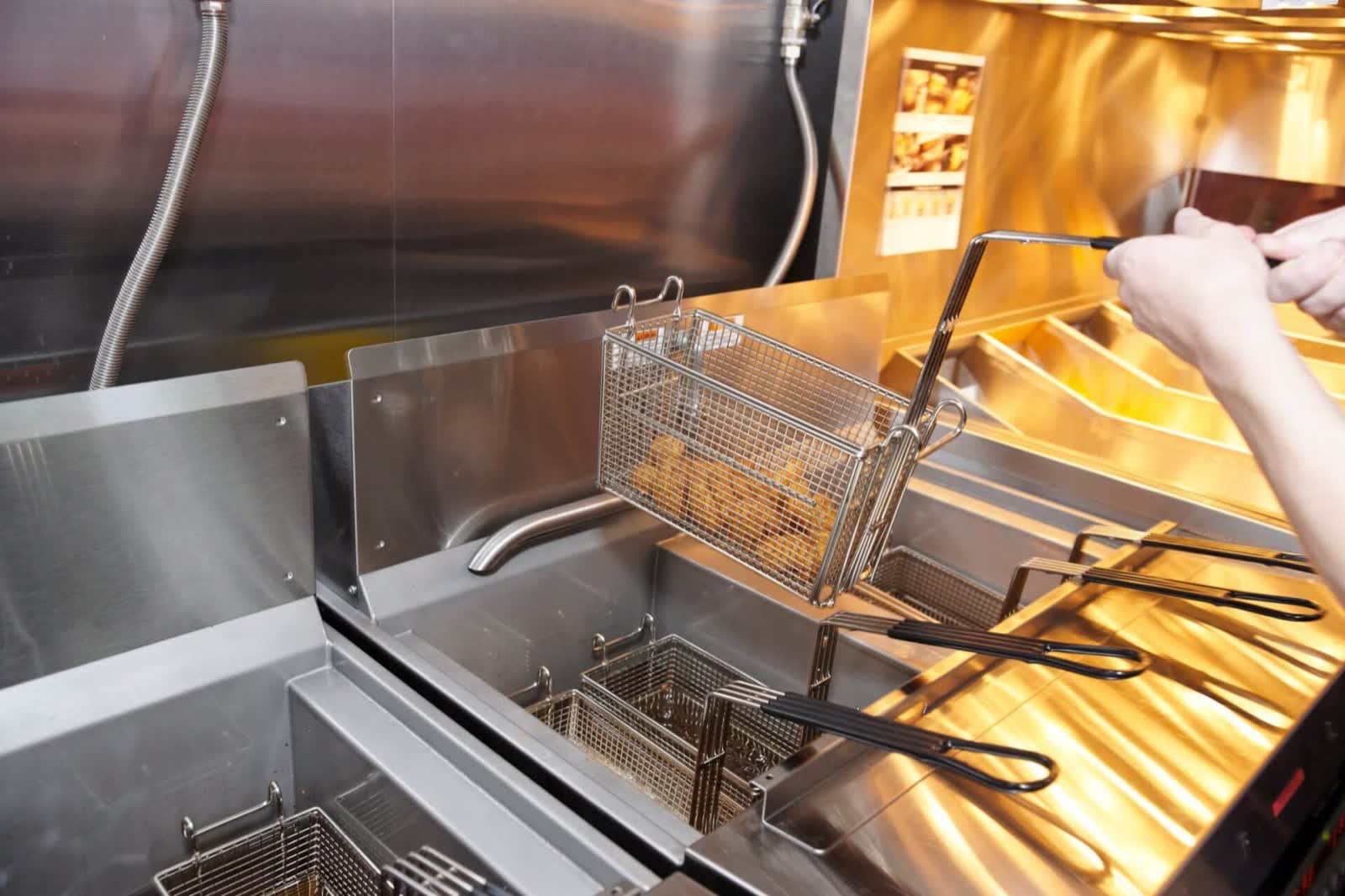
- Lost service. The fryer dies with the night's revenue attached. No invoice ever shows this number, which is why it gets ignored.
- Shortened equipment life. Units that run dirty and out of spec die younger — replacement is the largest cost on this page, moved years earlier.
- Energy. Dirty coils and drifting controls draw more power every single day between failures. You pay this one monthly without noticing.
What a maintenance agreement is, concretely
Scheduled visits — typically two to four per year depending on the equipment mix — where a technician cleans coils and condensers, checks refrigerant charge and amp draws, tests controls and safeties, replaces filters and wear parts, and documents everything. The documentation matters: it flags the weakening capacitor and the fraying belt while each is a cheap line item, it gives you a service history that helps at insurance and resale time, and it satisfies the manufacturer-maintenance language many warranties carry.
What we'll tell you honestly
Maintenance doesn't make equipment immortal, and it isn't free — you're buying inspection hours. Some years, nothing dramatic gets caught, the same way some years you didn't need your insurance. The math works because of the years something does: a compressor saved, a heat-wave failure avoided, a health finding never written. And maintenance customers get priority dispatch when weather slams every kitchen in town at once — in a July heat wave, your place in line is worth real money.
The way to think about the number
Ask what one summer emergency actually costs you all-in — repair, product, lost service — and compare it to a year of scheduled care. For most central Arkansas kitchens the agreement wins if it prevents a single bad day per year. It usually prevents more. Since 1976, one call has covered it: 501-548-2374.
Frequently asked questions
What does a commercial maintenance agreement include?
Scheduled visits covering coil and condenser cleaning, refrigerant and electrical checks, control and safety testing, filters and wear parts, and full documentation — plus priority dispatch when you do need a repair.
How many maintenance visits a year do I need?
It depends on the equipment mix and duty: two visits (spring/fall) is a common floor for HVAC, while refrigeration-heavy and high-volume kitchens often justify quarterly. We set the schedule per site, not per template.
Does maintenance really extend equipment life?
Yes — heat and dirt are what kill compressors and motors, and both are exactly what scheduled cleaning and adjustment control. Well-maintained units routinely outlive commonly cited life expectancies.